
How a small lease gets valued
Production, costs, price and plugging: the four things behind every offer, and how to check a buyer's work.
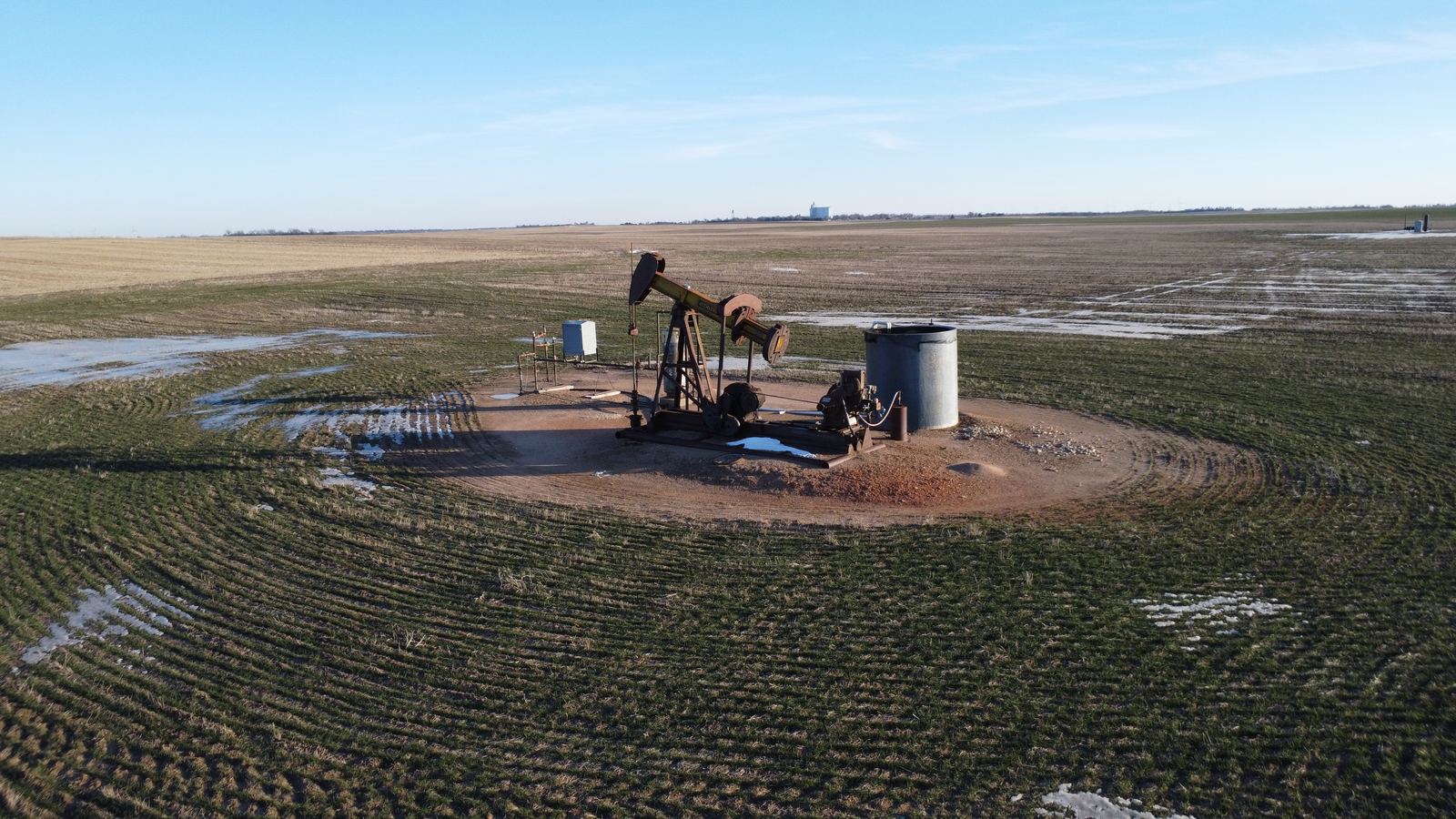
The idea
A lease is worth the money it will earn from here on, less the cost of shutting it down properly at the end. That is all a valuation is. The work is in estimating each piece without fooling yourself.
What it produces
A buyer starts with reported production, usually from state records (in Kansas, by lease), and looks at how fast it has been falling. Old wells decline slowly, often only a few percent a year, and a long history makes the next ten years fairly predictable.
What matters is production that can be supported by records. A well that "used to make five" and is shut in will be valued on why it is shut in, not on the five.
What it costs to run
Pumper, electricity, salt water hauling or disposal, chemicals, routine repairs, insurance and taxes. The difference between what the oil brings and what these cost is what the lease earns.
The costs also set the economic limit: the point at which a well makes too little to cover its own expenses. Production after that point adds nothing to the value, because no one will operate a well at a loss.
What oil is likely to sell for
Careful buyers do not use today's price. They use a lower one, so the purchase still makes sense in a bad year. Then they subtract the differential, the gap between the posted price and what your purchaser actually pays at your tanks.
If an offer seems to assume oil stays high, be wary. The buyer may not be able to close, or may not be able to keep the wells running if prices drop.
What plugging will cost
Every well has to be plugged one day. Whoever owns the lease at the end pays for it, so that cost comes off the value now. It depends on depth, the condition of the casing and local contractor rates.
On a small lease this number can be a large share of the total. A lease with ten wells and two producing is worth less than the same two wells alone, because of the eight that still have to be plugged.
Putting it together
The buyer forecasts production well by well, multiplies by the price, takes out royalties, taxes and costs, and discounts the future years because a dollar ten years out is worth less than a dollar now. Then plugging comes off and equipment salvage goes on.
A rule of thumb you may hear is a price "per flowing barrel" or a number of months of net income. Those are shortcuts for comparing deals. They are not how a careful offer is built.
How to check an offer
- Ask what production figure and decline were used. They should match the state records and your statements.
- Ask what oil price was assumed.
- Ask what the buyer assumed for operating costs, and compare it with yours.
- Ask for the plugging estimate per well.
- Ask who becomes responsible for plugging each well, in writing.
We put all five in every offer without being asked. Here is how our model works. Talk to your own accountant about the tax side of a sale.
Field notes are general information, not legal, tax or investment advice. Talk to your own advisor about your situation.
Call us. A person answers.
The software does the watching and the arithmetic. It does not answer the phone, make you an offer or decide anything about your wells. People do that.
Write to us
1001 Farnam St, Suite 201, Omaha, NE 68102