
You ran those wells for years. We will take it from here.
We buy small leases, including the ones making a barrel or two a day that nobody else will look at. You get a written offer in ten business days, with every number shown, and the plugging comes off your name in writing.
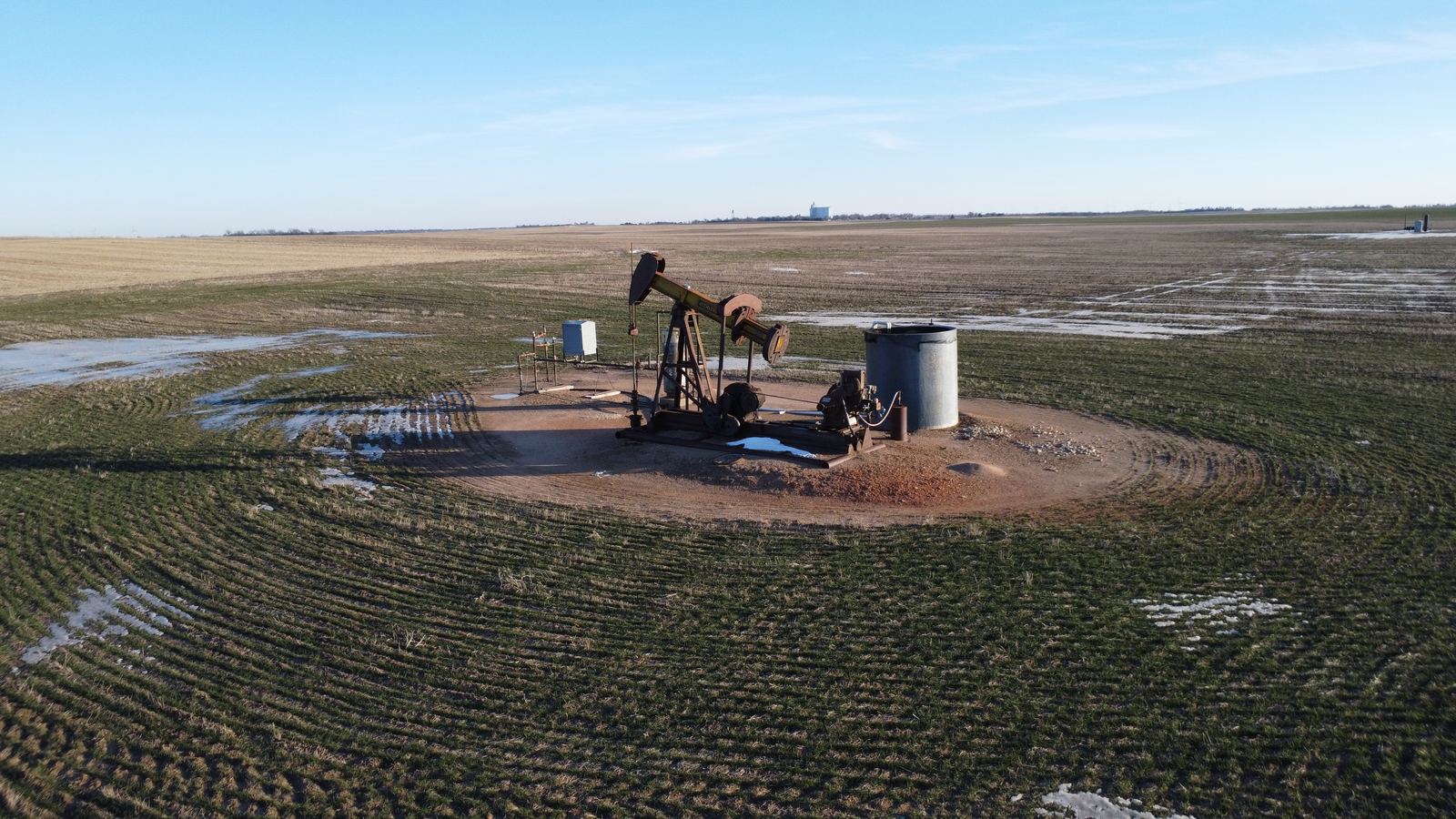
What most people ask us first
Almost every call starts with the same three questions. Here are the answers, and you will get the same answers in writing before you sign anything.
What happens to the wells?
We keep them running. That is the business. We become operator of record with the state, put monitoring on the wells and work through them one at a time. We do not buy leases to strip the equipment.
What happens to my pumper?
He is the first call we make. Nobody knows those wells better, and we would rather keep him than replace him. The same goes for your hauler and your service crew. Vendors get paid on time.
What about plugging?
The purchase agreement lists every well and states who is responsible for plugging each one. For the wells we take, that is us, and from the first barrel we set money aside to pay for it.
Will you buy a lease this small?
Yes. One, two and three barrel wells are what we are built for. Send it even if another buyer has already passed.
How the offer gets built
The software does the arithmetic so the offer is fast and consistent. A person checks it, signs it and explains it to you.
We pull the public record
The production the state has on record, back as far as it goes (Kansas reports it by lease), plus completion and plugging records. You do not have to dig for these.
We read what you send
Run statements show what was sold and at what price. Expense records show what it costs to lift. Paper, photos and spreadsheets all work.
The model forecasts the lease
It fits a decline to the reported production (Kansas reports it by lease), applies a price below today's so the deal survives a bad year, takes out operating costs, and stops counting when the lease no longer pays.
Plugging comes off the top
Every well will be plugged one day. We estimate that cost per well and subtract it. You can see the figure we used.
A person signs it
The offer comes in writing with the production forecast, the price, the costs and the plugging estimate laid out. If you think a number is wrong, tell us and we will look again.
What an offer page looks like
Sample figures for a six-well lease. For illustration only.
| Current production, all wells | 14.0 bbl a day |
| Decline used in the forecast | 6 percent a year |
| Oil price used, after differential | Below today's posted price |
| Operating cost, from your last 24 months | Shown by category |
| Years until the lease stops paying its way | 11 |
| Value of the oil, after costs | A |
| Less plugging, six wells | B |
| Plus equipment salvage | C |
| Our offer | A less B plus C |
Your offer shows real dollar figures on every line and the production forecast behind them.
What we take on at closing
The wells
We become operator of record and file the transfer with the state. You are not left holding a license for wells you no longer own.
The plugging
The agreement names every well and who plugs it. The ones we buy are ours, in writing.
The people
Your pumper and vendors hear from us first, before anything changes on the lease.
The neighbors
Every landowner gets a visit or a call, a name and a number that is answered.
Records that help us move quickly
- Run statements for the last 24 months
- What you spend each month on pumping, power, water hauling and repairs
- A list of wells with API numbers or lease names
- The lease itself and any assignments
- Division of interest, if others own part of it
- Anything you know about equipment in the hole: pump size, rod string, last pull
Missing some of these is normal. Call anyway. Much of it is public record and we pull it ourselves.
Questions we hear
How do you come up with the price?
From four things: what the wells produce, what they cost to run, what oil is likely to sell for, and what plugging will cost. The offer shows our number for each. This field note walks through it.
Will you buy just some of my wells?
We usually buy a whole lease, because the tanks, the road and the power are shared. If you have several leases we can look at one or all of them.
My wells are shut in. Is that a problem?
Not necessarily. Tell us why they were shut in and when. A well that went down for a mechanical reason is a different thing from one that watered out.
What about timing?
The offer takes ten business days from when we have your records. Closing depends on title work and the state transfer. We work to your schedule, including closing after year end if that suits you.
Is a computer deciding what my lease is worth?
No. Software builds the forecast and does the arithmetic, which is why you get an answer in days. A person reviews it, signs it and is the one who calls you.
Should I talk to my accountant first?
Yes. How a sale is taxed depends on your situation, and we do not give tax advice.
Call us. A person answers.
The software does the watching and the arithmetic. It does not answer the phone, make you an offer or decide anything about your wells. People do that.
Write to us
1001 Farnam St, Suite 201, Omaha, NE 68102