
Solar that someone still answers for.
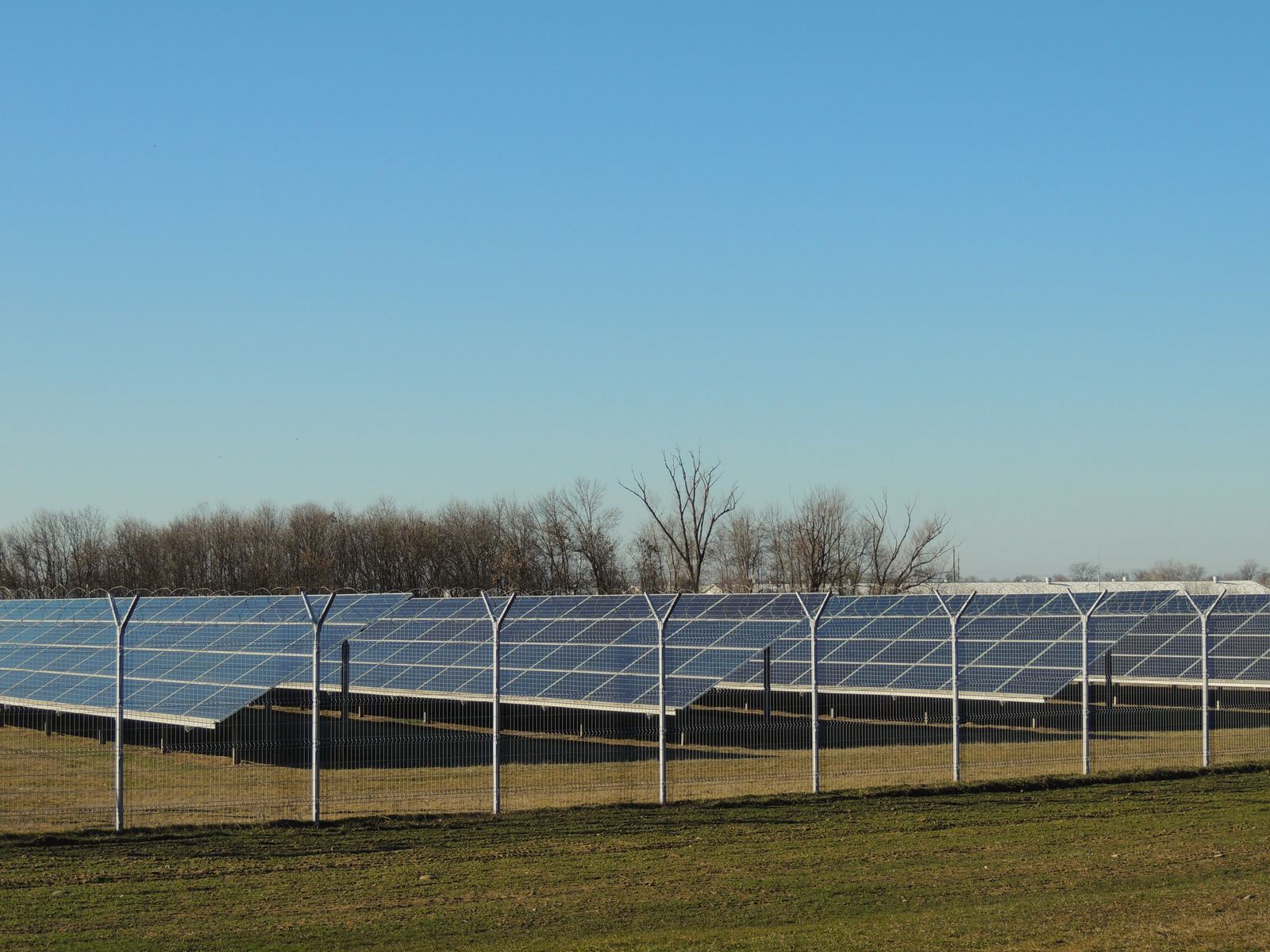
A rooftop system whose installer has closed is the same thing as an old lease: a good asset with nobody watching it. We monitor owned systems and line up repairs, and we use the same thinking to cut the power bill on our own wells.
When the installer is gone
When an installer shuts down, the owner loses three things at once: the monitoring login, the warranty paperwork and the phone number to call. The panels keep sitting in the sun. If the inverter fails, production drops to nothing and the first sign is a power bill months later.
Why systems go orphaned
Some of the largest names in home solar have gone through bankruptcy. SunPower Corporation filed for Chapter 11 on August 5, 2024 (SunPower Inc., EnergySage). Sunnova Energy filed on June 8, 2025 (SEC Form 8-K). Many smaller regional installers have closed more quietly.
The equipment usually outlives the company that put it up. Warranties on panels and inverters generally sit with the manufacturers. Maxeon and Enphase have said they will support warranties on legacy SunPower systems (Solar Power World, Enphase). What disappears is the installer's labor warranty and the person who was supposed to notice a problem.
What solar care is
Solar care is in early access. Here is how it works.
A free equipment check
You tell us what you have. We review the inverter, whether the monitoring link is alive, what the system should be producing and which warranties are likely still good. It is done remotely. Nobody goes on your roof.
Monitoring
We reconnect the system's data where the equipment allows it and read it every day. The software compares your output with what the weather says you should have made, and flags a system that is falling behind.
Repair coordination
When something fails, we identify the likely cause, check the warranty and line up a vetted local contractor. Independent licensed contractors do the repair work. We do not send our own crews onto roofs.
Records you keep
Equipment list, serial numbers, warranty terms and a production history, in one place. It is what a buyer's inspector will ask for if you ever sell the house.
Owned systems only. If you paid cash or have a loan, the system is yours and we can help. If it is leased or under a power purchase agreement, the company that owns it is responsible, and you should start with them.
Request a free equipment check
A photo of the inverter label tells us most of what we need.
Power on our own wells
Lifting oil takes electricity, and on an old well the power bill is one of the biggest lines in the budget. We treat it as something to manage.
Run only when there is oil to lift
The cheapest kilowatt hour is the one not used. Matching run time to what the well can deliver cuts power and wear at the same time.
Efficient drives
A variable speed drive lets a pumping unit run at the speed the well needs, and softens the starts that are hard on motors and gearboxes. Not every well justifies one. The data shows which do.
Solar beside the pump jack
A small array at the location can offset part of a lease's power use, particularly where the utility rate is high or the line is long. We size it from measured use, not from a brochure.
Measured before it is rolled out
We start with a pilot, measure what each change saves and report the result before putting it on more wells.
For lenders, servicers and installers
If you hold loans on systems whose installer has closed, or you have taken on customers from a company that did, we can monitor and coordinate service across the whole book. See the partner page.
Call us. A person answers.
The software does the watching and the arithmetic. It does not answer the phone, make you an offer or decide anything about your wells. People do that.
Write to us
1001 Farnam St, Suite 201, Omaha, NE 68102