
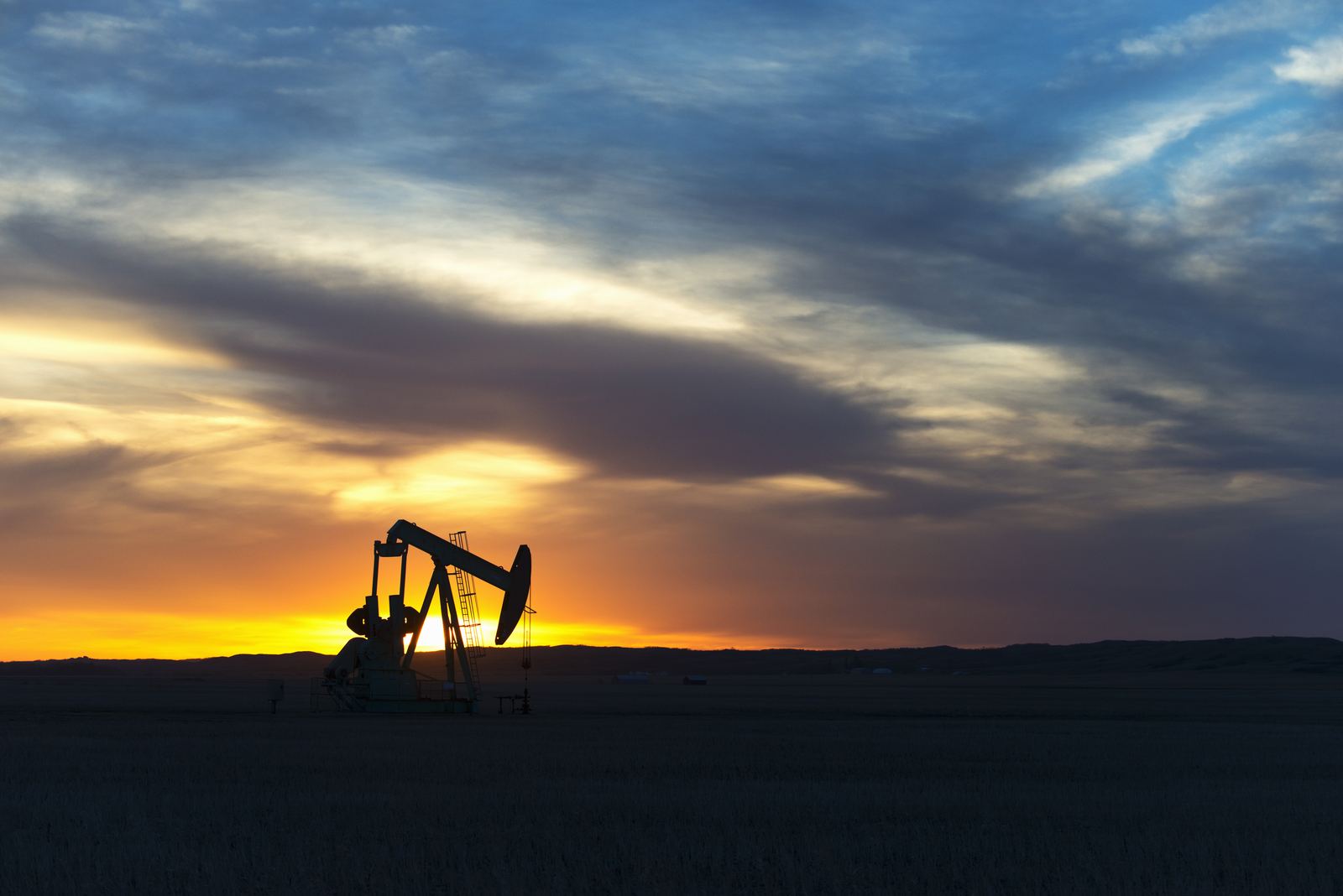
We turn dying oil leases back into real businesses.
There are thousands of old wells out here making one, two or three barrels a day, and most are being run down to nothing. Twelve31 buys them and rebuilds them with the same technology and AI we use to turn around every company we own.
Written offers in ten business days, with the math shown. Call 402.957.1231.
Pumped off. The pump is outrunning the well.
- The software
- Flags it within the hour, works out how much run time to cut, and drafts a new timer setting.
- A person
- Approves the new setting, or sends the pumper to look first.
A two-barrel well cannot carry an office. It can carry software.
Small wells rarely die because the oil is gone. They die because nobody can afford to pay attention to them.
The overhead outgrew the oil
An engineer, a landman, a bookkeeper and a truck cost the same whether a lease makes two barrels or two hundred. Bigger operators shed these wells for that reason, and the people who pick them up run them on memory and a pickup.
Problems are found late
A parted rod, a tripped motor or a full tank can sit for days between visits. On a well this small, a week down is the month's profit. The fix is usually cheap. Finding out is the expensive part.
The owner is ready to stop
Many of these leases belong to people who have run them for thirty or forty years. The plugging bill at the end worries them, and nobody in the family wants the lease. So the wells get run a little less every year.
What changes when we take over a lease
The same wells, the same pumper where we can keep him, and a different way of paying attention.
| How a tired lease gets run | How we run it | |
|---|---|---|
| Watching the wells | When someone drives by | Readings around the clock, with a pumper on the lease every day |
| A well goes down | Found on the next visit | Flagged within the hour, with a likely cause attached |
| Run time | Set once on a timer years ago | Tuned to what each well can give, and changed when the well changes |
| Barrels and dollars | Run tickets in a shoebox | Every gauge matched to every ticket, and the books closed every month |
| Power bill | Paid without a second look | Measured per well, then cut with better drives, timers and solar where it pays |
| Plugging | A worry for later | Money set aside from every barrel sold |
| Paperwork | Filed when the state asks twice | On a calendar the software keeps and a person signs |
The right-hand column is our operating standard. See what is built, what is in pilot and what is not started.
What the software does on a lease in one day
It reads, compares and drafts. It does not decide. Six moments from an ordinary day:
05:30, the morning brief
What each well made, what is down, and what needs a decision today. Written before anyone is awake.
07:10, the pumper gauges
His tape reading is checked against the level sensor. If they disagree, both get looked at.
11:40, a card changes shape
Well 3 is pumped off. The software names the problem and drafts a shorter run cycle.
12:05, a person approves
One tap. The new cycle starts on the next hour, and the change is logged with who approved it.
16:20, the tank is filling
The level passes 80 percent. A haul request is drafted so the truck arrives before the tank is full.
23:15, a motor stops
Well 5 goes quiet. The on-call person's phone rings, with the last hour of readings attached.
The machine does the watching. People make the calls.
We use AI where it is better than a person: staying awake, reading thousands of numbers and never skipping the paperwork. Everything that commits money or touches your land stays with a person.
What the software does
- Reads the sensors on the wells, every few minutes
- Flags a pumped-off well or parted rods from the shape of the pump card
- Builds a valuation from public production records and your statements
- Matches tank gauges against run tickets, barrel for barrel
- Keeps the calendar of state filings, bonds and lease dates
- Drafts the letters, forms, work orders and offers
What people do
- Sign every offer and every purchase agreement
- Approve every payment, repair and state filing
- Answer the phone, every time
- Drive to the lease and put hands on the equipment
- Sit down with the landowner
- Stop any one agent, or all of them, with a single switch
Turning around what others have written off is the whole company.
Twelve31 has worked with small businesses from Omaha. Its companies include dental practices, spice makers and a software studio. The pattern is the same every time. A sound asset, a tired operation, and nobody paying attention. Twelve31 Energy applies that pattern to old oil.
One operating system
We run our companies from one backbone for books, approvals and records, and the energy business is built on it. A lease plugs in on day one.
Our own software studio
AltoSky, our sister company, builds the software small businesses run on. When a lease needs a tool that does not exist, we can build it.
A deal bench
Structuring, financing and closing small acquisitions is our day job. Each lease package sits in its own entity with its own books.
The people stay
In every company we buy, the name stays and the staff stay. On a lease that means the pumper, the hauler and the service crew.
Four reasons people call us
You want out of a lease
We buy the wells, keep your pumper if he wants to stay, and take on the plugging in writing. You get a written offer in ten business days with every number shown.
Request an offerYou get a royalty check
Send a recent check stub. We will tell you what the interest is worth to us and exactly how we got there, whether or not you sell.
Get a valuationOur wells are on your land
Gates closed, roads kept up, spills cleaned and reported, and a call back within one business day from someone who knows the lease.
Reach your lease contactYour solar installer is gone
Orphaned solar is the same problem on a roof: a good asset nobody is watching. We monitor owned systems and line up repairs.
Request a free checkHow an offer works
Four steps. You can stop after any of them and owe us nothing.
Tell us what you have
County, number of wells and a rough idea of production. A phone call is enough.
Share what records you have
Two years of run statements and expenses if you have them. Paper is fine. Much of the rest is public record and we pull it ourselves.
Get a written offer
Within ten business days. The software builds the valuation, a person checks it and signs it, and you see the math.
Close on your schedule
We handle the state transfer paperwork and the notice to the oil purchaser.
Where we work
Within a day's drive of Omaha, in old fields with a lot of small wells and not many buyers.
- Central Kansas Uplift: Ellis, Russell, Rooks, Barton and Trego counties
- Northwest Kansas: Graham, Decatur, Norton, Rawlins and Sheridan counties
- Nebraska Panhandle: Kimball, Cheyenne and Banner counties
- Southwest Nebraska: Hitchcock, Red Willow and Dundy counties
- Eastern Colorado: the plains counties along the Kansas and Nebraska lines, lease by lease
Field notes
Plain explanations for people who own, run or live next to small wells.
- The business
Why small wells die, and why most of them do not have to
The oil is usually still there. What runs out is attention.
- The technology
What a pump card shows
One loop on a chart tells you what is happening a half mile underground.
- Selling
How a small lease gets valued
Production, costs, price and plugging: the four things behind every offer.
- Responsibility
Plugging a well: what it involves and who pays
What the work is, and how the obligation moves when a lease is sold.
Call us. A person answers.
The software does the watching and the arithmetic. It does not answer the phone, make you an offer or decide anything about your wells. People do that.
Write to us
1001 Farnam St, Suite 201, Omaha, NE 68102