
We take assets that are dying and make them work again.
That is what Twelve31 does with small businesses, and it is what Twelve31 Energy does with old oil leases. This page explains the method, what it changes on a lease, and what we bring from the rest of our companies.
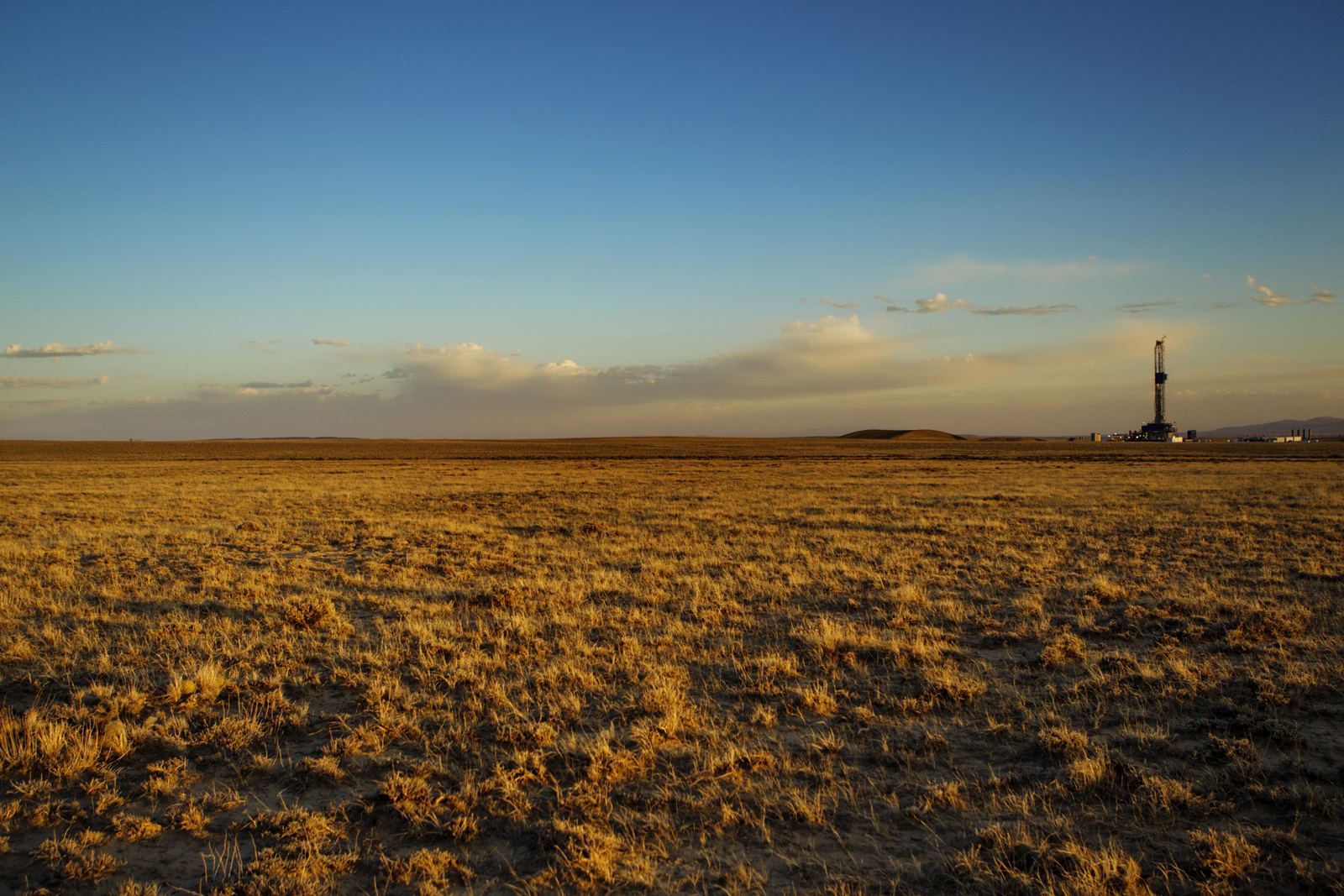
The pattern we look for
Every turnaround we have done starts the same way. There is something sound underneath: customers who keep coming back, a product people want, or in this case oil that is still in the ground and still flowing to the wellbore. On top of it sits an operation that has worn out. The owner is tired. The records are thin. Small problems go unfixed until they are large ones. Nobody is doing anything wrong. There is simply not enough attention to go around.
A dental practice with a retiring owner looks like this. So does a spice company that has not updated how it takes orders in twenty years. So does a lease in Kimball County making two barrels a day from wells drilled in the 1950s.
From the outside these look like things to walk away from. Lenders see old equipment and thin margins. Bigger buyers see a deal too small to bother with. We see an asset that was never the problem.
Why old oil fits
The plains of western Nebraska, northern Kansas and eastern Colorado have been producing oil for the better part of a century. Most of the wells still pumping are stripper wells: a few barrels a day, sometimes one, often with a good deal of salt water to haul off.
Three things are true of most of them.
- The decline is slow. A well that has produced for fifty years is not about to fall off a cliff. Old wells lose a few percent a year. That makes them more predictable than new ones.
- The losses are operational. Days down waiting for someone to notice. Pumps running when there is nothing to pump. Power bills nobody has read. Barrels that were hauled but never reconciled. These are management problems, and management problems can be fixed.
- The owners want a clean exit. Many have run these leases most of their working lives. They want a fair price, their pumper looked after and the plugging obligation off their name for good.
What has been missing is a buyer set up for wells this small. A company with an office full of engineers cannot make money on two barrels a day. The overhead eats it. So the wells pass to smaller and smaller hands, each with less to invest, until somebody stops running them and the state inherits the plugging.
Our view: a two-barrel well cannot carry an office. It can carry software. If the watching, the arithmetic and the paperwork cost almost nothing, a well that was marginal becomes a small business that works.
The method, in four moves
We run the same sequence on a lease that we run on any company we take over. Our sister company AltoSky describes its own work the same way: stop the leaks first, then fix how the work moves.
Read it
Before closing we build the lease from records: the production history from the state (in Kansas it is reported by lease), your run statements, the expenses, the equipment list and the title. After closing we put sensors on the wells and tanks so we are no longer guessing. Within a few weeks we know what each well can give and what each one costs.
Stop the leaks
We go after the losses that do not need a rig. Wells that are down get back up. Run times get matched to what the well can deliver. The power bill gets pulled apart well by well. Hauled volumes get checked against tank gauges. Vendors get paid on time so they show up when called.
Fix how the work moves
Then the routine changes. The pumper starts his day with a list of what needs him instead of driving every well to find out. Repairs are scheduled from data, with parts on hand. The books close every month. Filings go out on a calendar. The lease stops depending on one person's memory.
Invest where it pays, and run it for the long haul
With real numbers we can see which wells have earned a pump change, a cleanout or a better drive, and which should be left alone. Money goes into the plugging fund from every barrel. The lease becomes something that can be financed, insured and, if it ever came to that, sold as a going business.
What it looks like on one lease
Take a lease of six wells making about fourteen barrels a day between them. This is an illustration with sample numbers, the kind of plan we would write before making an offer.
Illustrative first-year plan, six-well lease
Sample figures for explanation only. Not results from a lease we own.
| Where the barrels go missing | What we do about it | Needs a rig |
|---|---|---|
| Two wells down an average of four days a month before anyone notices | Alerts within the hour. Parts for the common failures kept on hand. | No |
| Three wells on timers set years ago, pumped off half of every cycle | Run time matched to the well. Less wear on rods and pump, less power, same oil. | No |
| One well with a worn pump, making half of what it did | Pump change, scheduled once the numbers support it. | Yes |
| Hauled volumes never checked against gauges | Every ticket matched to a gauge reading. Differences chased the same week. | No |
| Power billed on a rate nobody has reviewed | Use measured per well. Rate reviewed with the co-op. Drives and timers where they pay. | No |
| No money set aside for plugging | A set amount from every barrel goes into the plugging fund from the first month. | No |
Most of the first year is attention, not capital. That is the point.
What we bring from the rest of Twelve31
Twelve31 Energy is not a standalone startup. It is one company in a group that has worked with small businesses from Omaha. That group includes dental practices, spice makers and a software studio. Here is what carries over.
One system to run every company
We run our companies from one backbone for books, approvals, documents and reporting, and the energy business is built on it. A new lease does not need its own back office. It needs to be connected.
A software studio in the family
AltoSky builds software that small businesses actually run on, and it stays to run it. When a lease needs a tool that does not exist off the shelf, we are not waiting on a vendor.
AI doing the back office
Across our companies, AI agents draft, reconcile, remind and file, and people approve. In energy, sixteen agents each have a written charter, limits on what they can touch and a kill switch. The rules are published here.
A deal bench
We structure, finance and close small acquisitions for a living. We know how to value something from imperfect records, how to paper it properly and how to close on the seller's schedule. Each lease package is held in its own entity with its own books, so one lease's problems never become another's.
The habit of keeping people
When we buy a company, the name stays and the staff stay. The people who know the work are the asset. On a lease that means the pumper who has gauged those tanks for twenty years is the first call we make.
What we are, and what we are not
We are new to the oil business, and we would rather say so than have you find out. We have not operated wells for decades. What we have done for a long time is take over small, worn-out operations and make them run properly.
So we hire the oilfield knowledge and build the rest. Pumpers, well service crews, a petroleum engineer, a landman and oil and gas counsel know these fields. Our part is the system around them: the monitoring, the numbers, the money and the follow-through.
We are also starting small on purpose. Monitoring begins as a pilot on our first wells, and we will publish what it finds. The status of every piece is listed here.
Beyond the wells
The same thinking applies to other energy assets that have been left behind.
- Royalties and minerals. Small interests that pay a modest check and are hard to sell. We value them with the same model and buy them. Get a valuation.
- Orphaned solar. Rooftop systems whose installer has closed, with nobody watching the inverter. We monitor owned systems and coordinate repairs. See solar care.
- Power on the lease. Electricity is one of the largest costs on a pumping well. Efficient drives, better timing and solar beside the pump jack bring it down. See what we do on our own wells.
Call us. A person answers.
The software does the watching and the arithmetic. It does not answer the phone, make you an offer or decide anything about your wells. People do that.
Write to us
1001 Farnam St, Suite 201, Omaha, NE 68102