
Plugging a well: what it involves and who pays
Why plugging matters, what the work is, and how the responsibility moves in a sale.
Why it matters
A well is a steel pipe through every layer of rock between the surface and the oil, including the layers that hold fresh water. While the well is maintained, that is fine. Left alone for decades, the steel corrodes, and the well becomes a path for salt water, oil or gas to move where it should not.
Plugging closes that path for good.
What the work is
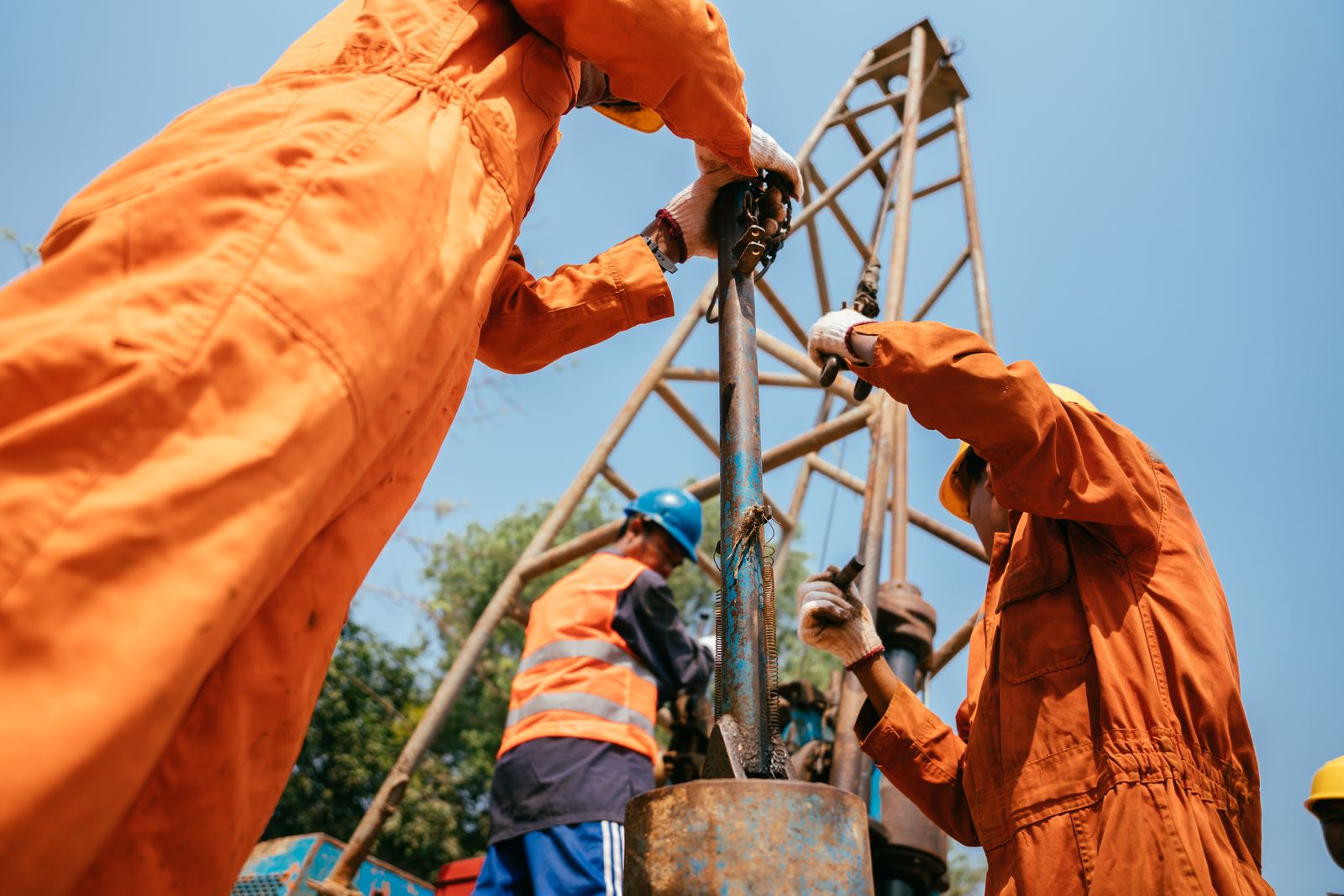
A plugging contractor brings a rig, pulls the rods and tubing, and sets cement plugs at depths the state specifies: typically across the producing zone, across any salt water zones, across the bottom of the surface casing that protects fresh water, and at the surface. The casing is cut off below plow depth and capped, the equipment is hauled away and the location is restored.
The state is notified beforehand, may send an inspector to witness the work, and receives a plugging report afterward.
What it costs
It depends on depth, the condition of the casing and what is found downhole. A shallow well in good shape is a day's work. A well with collapsed casing or junk in the hole can cost several times as much. Ask a plugging contractor who works your area for a quote on your specific wells. It is the only number that means anything.
Who pays
The operator of record is responsible to the state. That is why states require a license and some form of bond or financial assurance before anyone can operate wells.
When a lease is sold, the responsibility moves to the buyer once the state approves the change of operator, for the wells that are transferred. The purchase agreement should list every well and say plainly who is taking it. Vague language here is how sellers end up with a letter from the state years later.
Idle wells
A well that is not producing still has to be accounted for. States limit how long a well can sit idle before it must be returned to production, formally put in temporary abandonment or plugged. A lease with many idle wells carries a large obligation that does not show up in its monthly income.
When nobody pays
If an operator disappears or goes broke, the wells are orphaned and the state plugs them over time from fees and public funds. Every operator who plans for plugging keeps that list from growing.
How we handle it
We set money aside from every barrel we sell, review the amount each year against an engineer's estimate for each well, and plug wells that are not coming back. Plugging should be paid for by the oil the well produced.
Field notes are general information, not legal, tax or investment advice. Talk to your own advisor about your situation.
Call us. A person answers.
The software does the watching and the arithmetic. It does not answer the phone, make you an offer or decide anything about your wells. People do that.
Write to us
1001 Farnam St, Suite 201, Omaha, NE 68102