
What a pump card shows
One loop on a chart tells you what is happening a half mile underground. Here is how to read it.
What it is
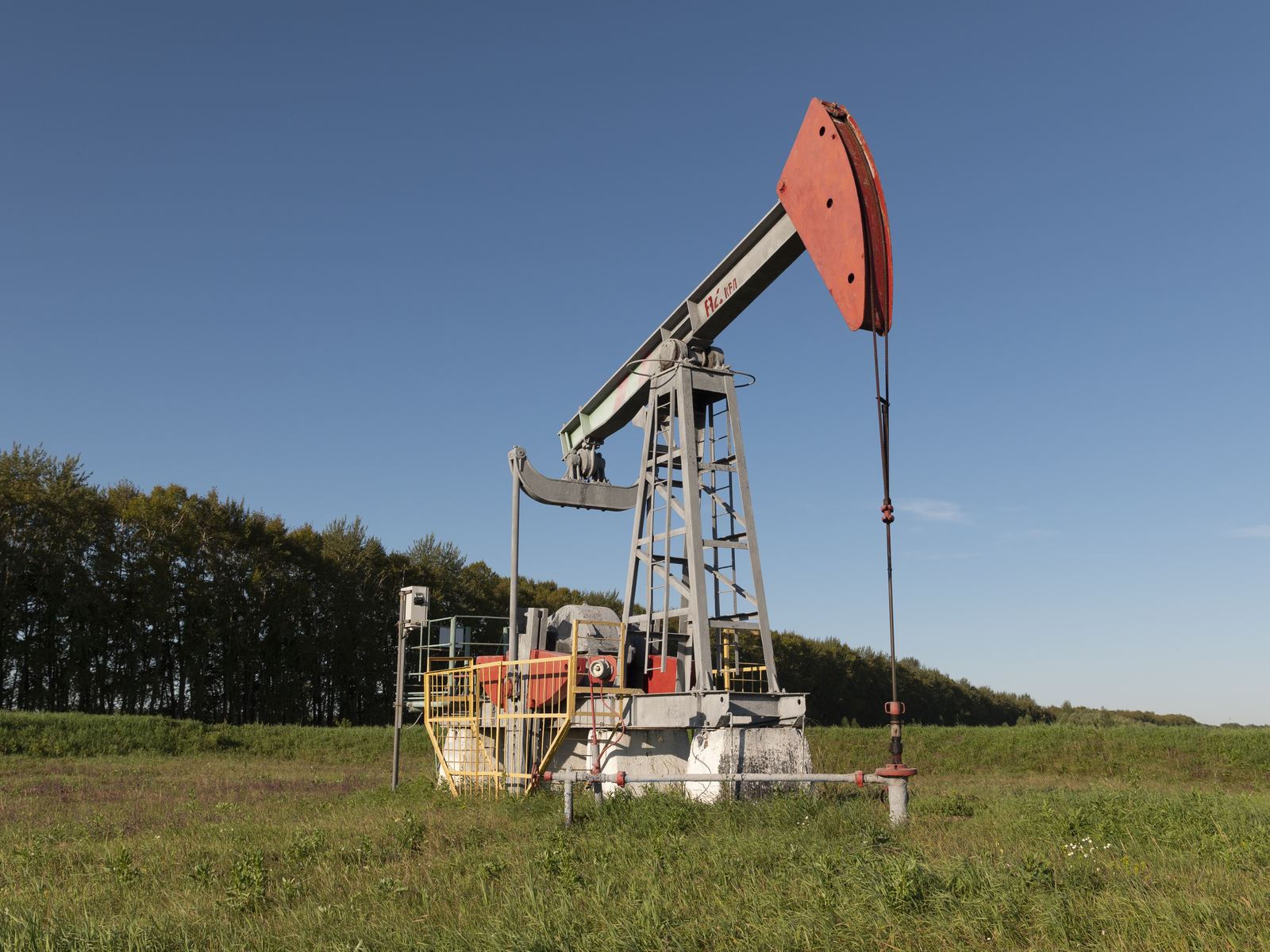
A rod-pumped well lifts oil with a plunger at the bottom of the hole, driven by a string of steel rods from the pumping unit at the surface. You cannot see the pump. What you can measure is the load on the rods at the top, and where in the stroke the unit is when you measure it.
Plot load against position through one full stroke and you get a closed loop. That loop is a dynamometer card, usually just called a pump card. Its shape is a picture of what the pump is doing.
For most of the last century a card was taken a few times a year by a technician with a portable instrument. Today a load cell on the polished rod can draw one on every stroke.
The shapes
Full pump
Close to a rectangle, leaning a little. On the upstroke the rods pick up the weight of the fluid and carry it to the top. On the downstroke they let it go. A full, square card means the barrel is filling completely and the valves are holding. Leave it alone.
Pumped off
The rectangle with its lower right corner missing. The barrel is only partly full, so on the way down the plunger travels through empty space and then hits fluid. The load stays high too long and then drops all at once. You can sometimes feel it in the ground at the wellhead. It means the pump is taking oil out faster than the well gives it up. The cure is usually to pump less: a shorter cycle or a slower speed.
Parted rods
The loop collapses to a thin flat shape near the bottom of the chart. The unit is going up and down but the rods have broken somewhere below, so it is lifting only the rods above the break. From the lease road the well looks like it is running. It is producing nothing.
Why it matters on a small well
On a big well a card problem costs a lot of barrels and gets noticed. On a small well it costs a barrel a day and can go for months. But a barrel a day is half of what a two-barrel well makes.
Most of what goes wrong with a rod-pumped well shows in the card before it shows anywhere else. A well that is watched this way gets fixed when the problem is small.
Where software helps
Reading one card is easy for someone with experience. Watching many cards, and noticing the one that changed, is a good job for software. Ours applies rules for a full pump, a pumped-off well and parted rods, and raises a hand when a card matches those shapes.
The software still gets some wrong, and a card is not the whole story. That is why the pumper is on the lease every day and why a person approves anything that costs real money. Here is how we set that up.
Field notes are general information, not legal, tax or investment advice. Talk to your own advisor about your situation.
Call us. A person answers.
The software does the watching and the arithmetic. It does not answer the phone, make you an offer or decide anything about your wells. People do that.
Write to us
1001 Farnam St, Suite 201, Omaha, NE 68102