
Why small wells die, and why most of them do not have to
The oil is usually still there. What runs out is attention.
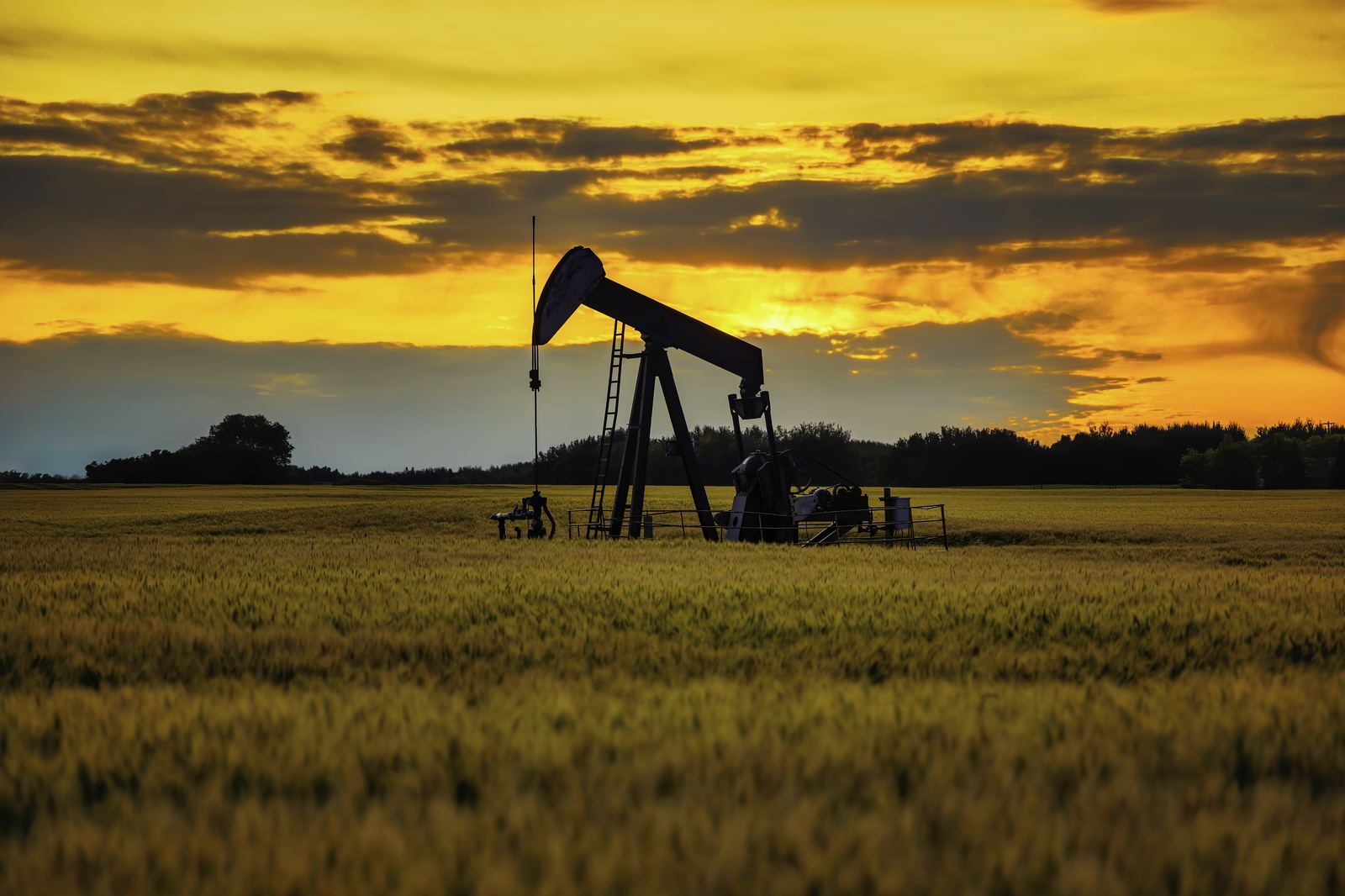
The arithmetic of a two-barrel well
A well making two barrels a day sells around sixty barrels a month. Out of that come the royalty owner's share, production taxes, the pumper, electricity, hauling off the salt water, and whatever broke. What is left is real money, but it is not much, and it does not stretch to cover an office.
That is the whole story of the stripper well business. The wells are profitable at the wellhead and unprofitable once you add overhead. An engineer, a landman and an accounting department cost the same whether they are looking after two barrels a day or two thousand.
How a lease passes down
So wells move, over decades, into smaller and smaller hands. The company that drilled them sells to a regional operator when production falls. He sells to a local one. Eventually the lease belongs to one person with a pickup, who is the engineer, the bookkeeper and often the pumper too.
Many of those operators are very good at it. They are also getting older, and there are fewer people behind them who want the work.
The slow slide
Here is what usually happens next. None of it is neglect in the ordinary sense. It is what running out of time and money looks like.
- Downtime stretches. A well goes down on Friday and is found on Monday. Then found on Wednesday. Each day is barrels that will never be sold.
- Repairs get put off. A pump change costs several months of that well's income. It is easy to decide to live with half the production.
- Settings go stale. The timer that was right ten years ago now runs the pump dry for half of every cycle, wearing out rods and burning power.
- Records thin out. Nobody is comparing run tickets to gauges or reading the power bill line by line.
- Wells get shut in. One that needs a rig is turned off "for now." It stays off.
- Plugging looms. Every idle well is a bill waiting to come due, and there is nothing set aside for it.
At the end the operator walks away or dies, the lease has no buyer, and the wells become the state's problem. Every producing state has a list of orphaned wells that got there this way.
What is still true underneath
Through all of that, the reservoir has barely changed. A well that has produced for fifty years typically loses only a few percent a year. The oil that was going to flow to that wellbore over the next twenty years is still going to. The question is only whether someone is there to lift it.
That is why we say the asset is rarely the problem. A lease making eight barrels a day with half its wells down is often a lease that could make fourteen with nothing more than attention.
What changes the arithmetic
The fix is not to add overhead back. It is to make attention cheap.
- Sensors on rod load, motor current and tank level now cost little enough to put on a two-barrel well.
- Software can read those sensors all day, flag a parted rod or a pumped-off well and tell the pumper where to go first.
- AI can do the clerical work that used to need an office: matching tickets to gauges, drafting state filings, building a valuation, keeping the calendar.
- People are then needed only for what people are good at: fixing things, judging what is worth fixing and dealing with other people.
Spread across many small leases, that system costs very little per well. The two-barrel well keeps its income and finally gets the oversight it never could afford.
That is the bet Twelve31 Energy is making. The turnaround page lays out the method.
Field notes are general information, not legal, tax or investment advice. Talk to your own advisor about your situation.
Call us. A person answers.
The software does the watching and the arithmetic. It does not answer the phone, make you an offer or decide anything about your wells. People do that.
Write to us
1001 Farnam St, Suite 201, Omaha, NE 68102